Turbulence is nearing a less bumpy future
Improved turbulence forecast thanks to the upgraded GTGN Ver. 2 system

Everyone who has flown has a story about a turbulent flight marked by leaping coffee cups to head bumps to passengers reaching for the dreaded blue bag.
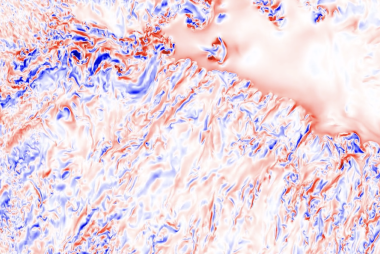
With sponsorship by the Federal Aviation Administration (FAA), the Graphical Turbulence Guidance Nowcast (GTGN) algorithm has been developed at the NSF National Center for Atmospheric Research (NSF NCAR) as a tactical turbulence product to help dispatchers and pilots make short-term routing and operational decisions to avoid turbulence hazards enhancing safety in the National Airspace System (NAS). The GTGN system has been recently upgraded (GTGN version 2) to higher horizontal resolution and new data inputs to provide improved turbulence nowcasts that commercial pilots will use to anticipate hazard areas that aren’t always captured by traditional weather forecast models. With sponsorship by the FAA, the National Weather Service (NWS) Aviation Weather Center (AWC) and NSF NCAR collaborated, thus GTGN version 2 is headed to the Aviation Weather Testbed research-to-operations process and the output will be made available to the public at AWC.
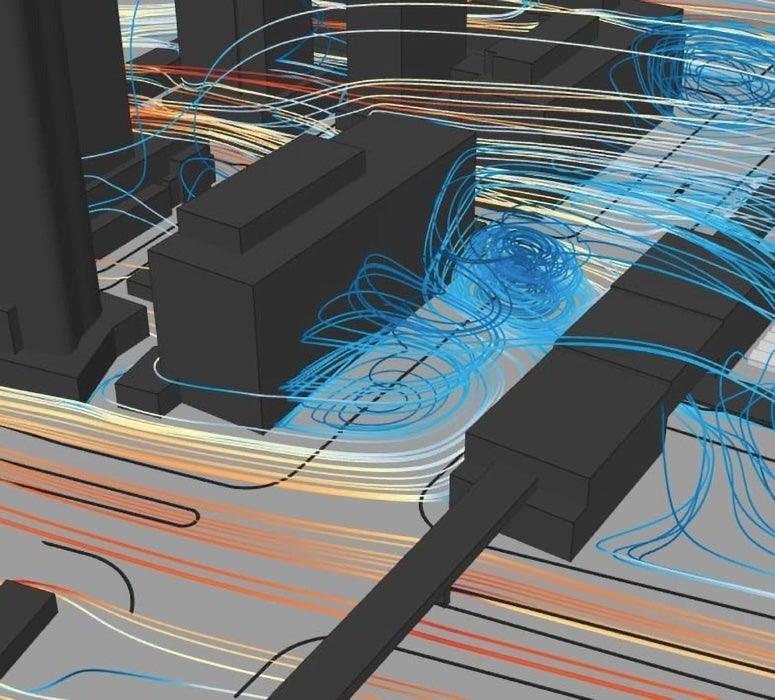
It’s a big improvement over current turbulence forecasting abilities. Where other products produce forecasts that are useful for planning flight routes, nowcast data informs pilot decision-making during the flight. GTGN output is available at 51 separate altitudes above ground, starting 100 feet above ground level and continuing all the way up to 50,000 ft. The 3-km horizontal resolution over the Continental U.S. matches that of its base forecast model, the High-Resolution Rapid Refresh (HRRR). This means smaller features, like individual mountains or thunderstorm cells, are better captured.
GTGN also performs inflight turbulence analyses every 15 minutes. This frequent output, four times per hour, informs pilots and forecasters about the maximum expected types of turbulence: clear air turbulence, mechanical turbulence (undulations caused by terrain), and convective turbulence from thunderstorms.
Disclaimer:
This research is in response to requirements and funding by the Federal Aviation Administration (FAA). The views expressed are those of the authors and do not necessarily represent the official policy or position of the FAA.”