Road Resiliency and Emergency Preparedness
Keeping Society Moving, Safe, and Connected
Road Resiliency and Emergency Preparedness
Keeping Society Moving, Safe, and Connected
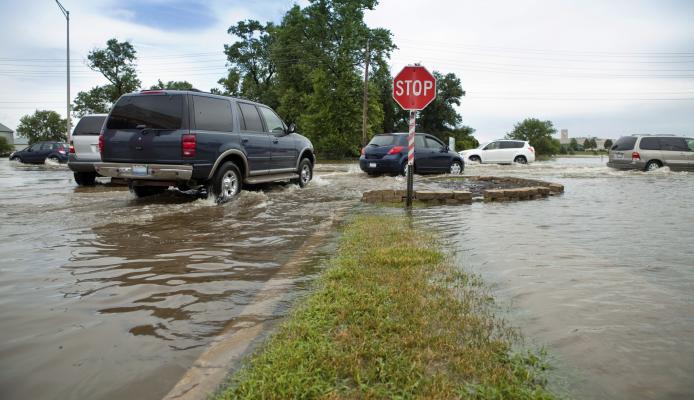
Hazardous weather conditions threaten countless communities each year, from impending hurricanes and winter storms to sudden flash-flooding events and wildfires. New vehicle technologies, such as electric batteries, may be more prone to catching fire when encountering flooded roadways. These modern hazards pose new threats to ensuring communities can be safely evacuated and emergency responders can efficiently go in to save lives and property. Furthermore, these hazards extend well beyond our own borders as they represent a global challenge.

EV/AV Operational Visibility Limits
*Some cases will impact the sensor but maybe negligible
NSF NCAR RAL Scientists, as part of a National Science Foundation-funded Global Center (see Partner list below), are exploring how long-term weather modeling combined with high-resolution microscale modeling can give street-by-street guidance about these future weather hazards. This information is critical to ensure roads and bridges can withstand future environmental stressors and advanced vehicle technologies can navigate dynamic and disparate operational environments.
Partners
Publications
- Road Weather Decision Support Across Scales
- How Do Clean Energy and Autonomous Vehicles Impact the Climate Risk Profile of Road Transportation?
- Applying Intelligent Transportation Systems to Support Weather and Climate-Resilient Operations through the Clean Energy and Equitable Transportation Solutions NSF-UKRI Global Center
- Assessing Electric and Autonomous Vehicle Operability in Adverse Weather with Large Eddy Simulations
Contact
Curtis Walker
Program Deputy Director