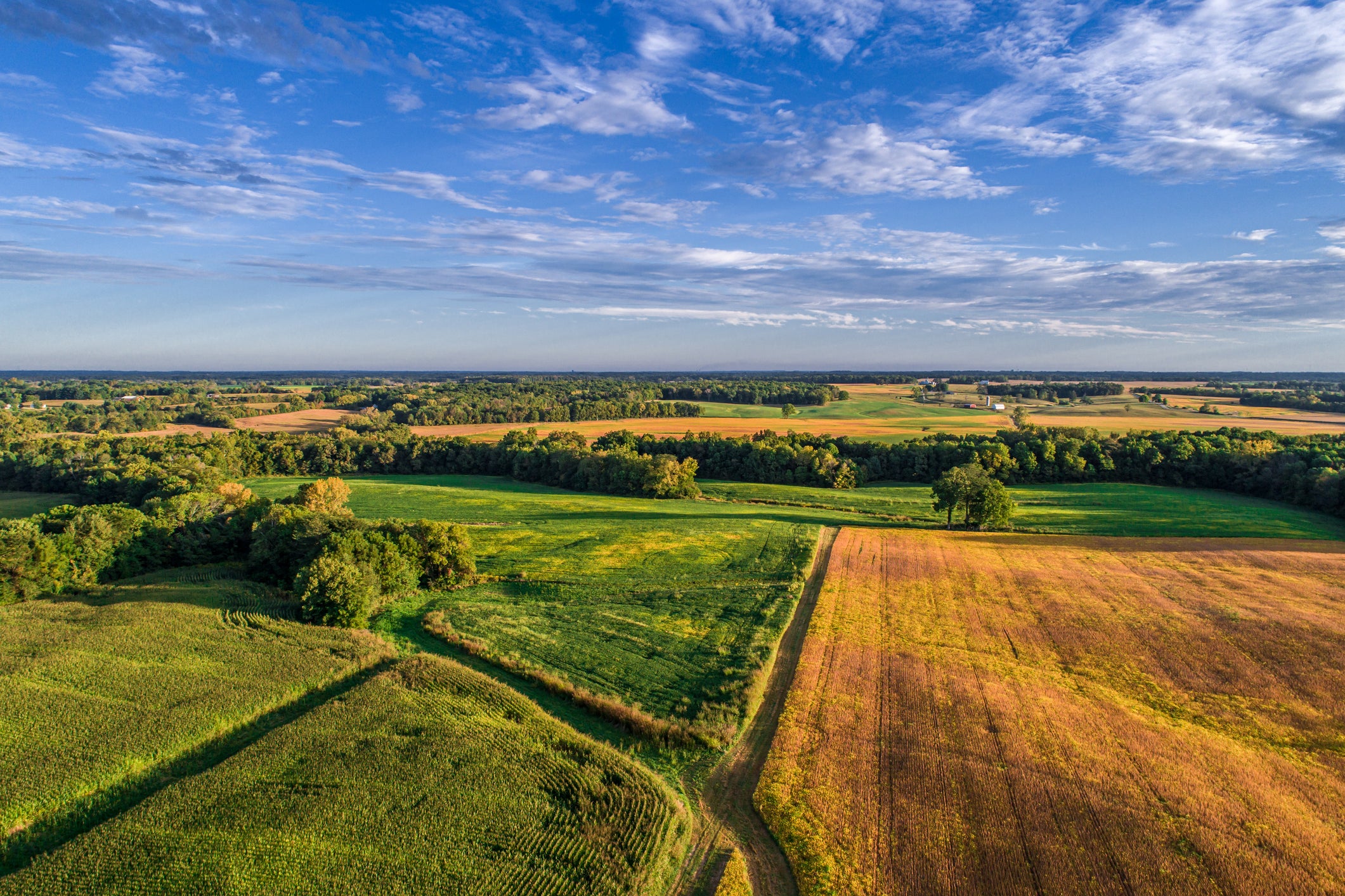
A new technique developed by NCAR uses artificial intelligence to efficiently update the vegetation maps that are relied on by wildfire computer models to accurately predict fire behavior and spread.
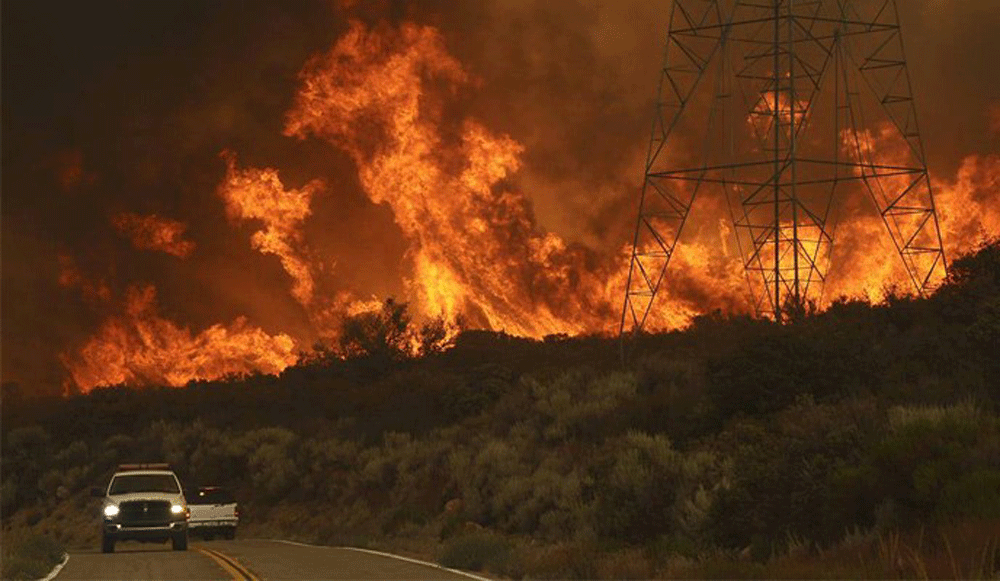
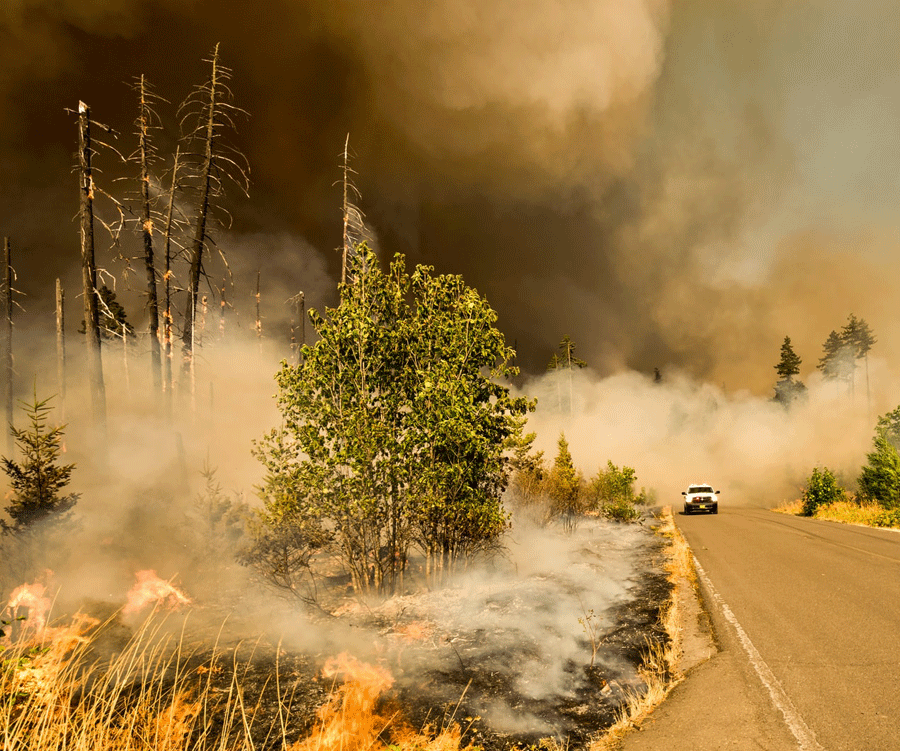
This summer’s western wildfire season is likely to be more severe than average but not as devastating as last year’s near-record, according to an experimental prediction method developed by NCAR scientists.
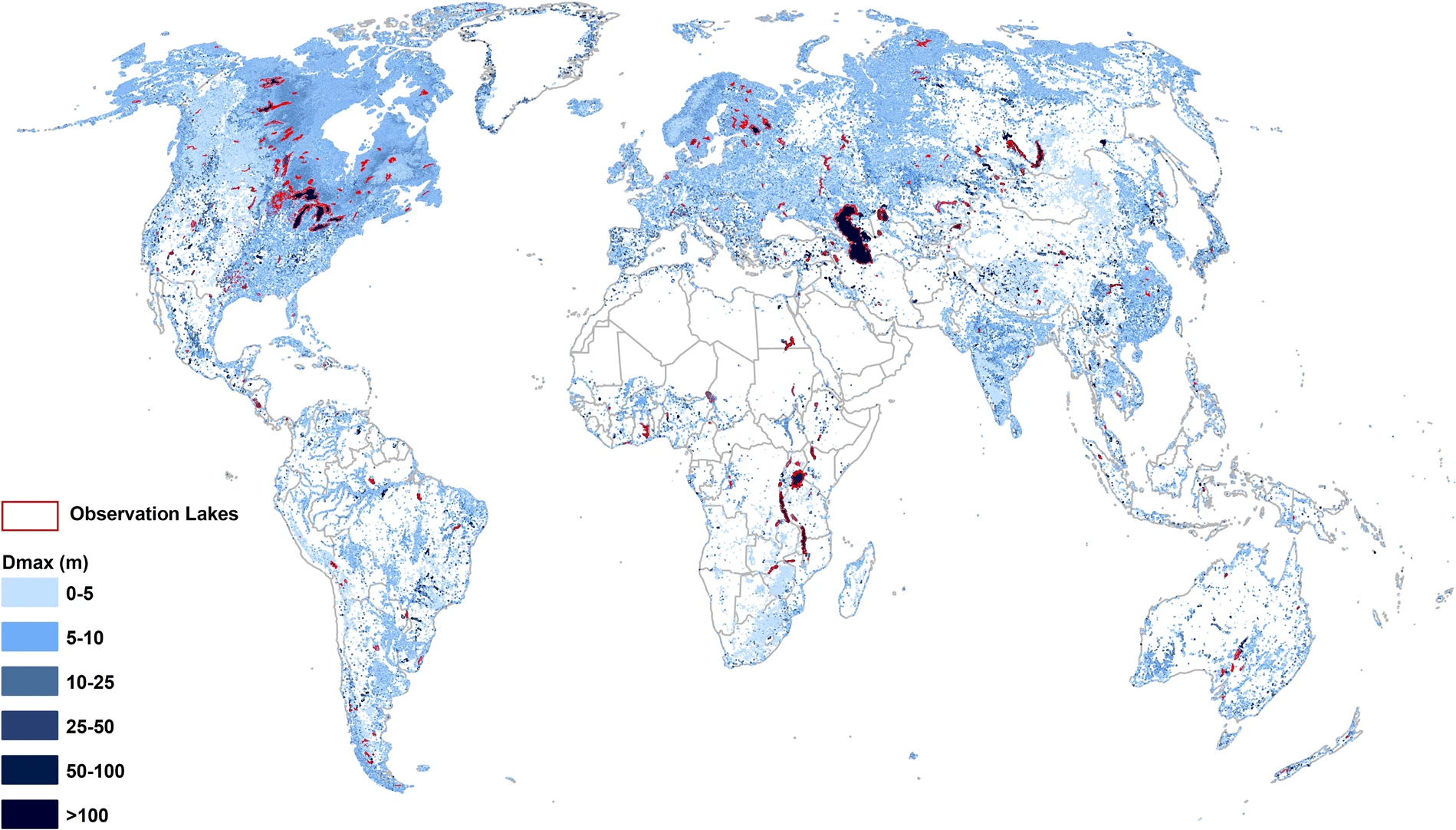
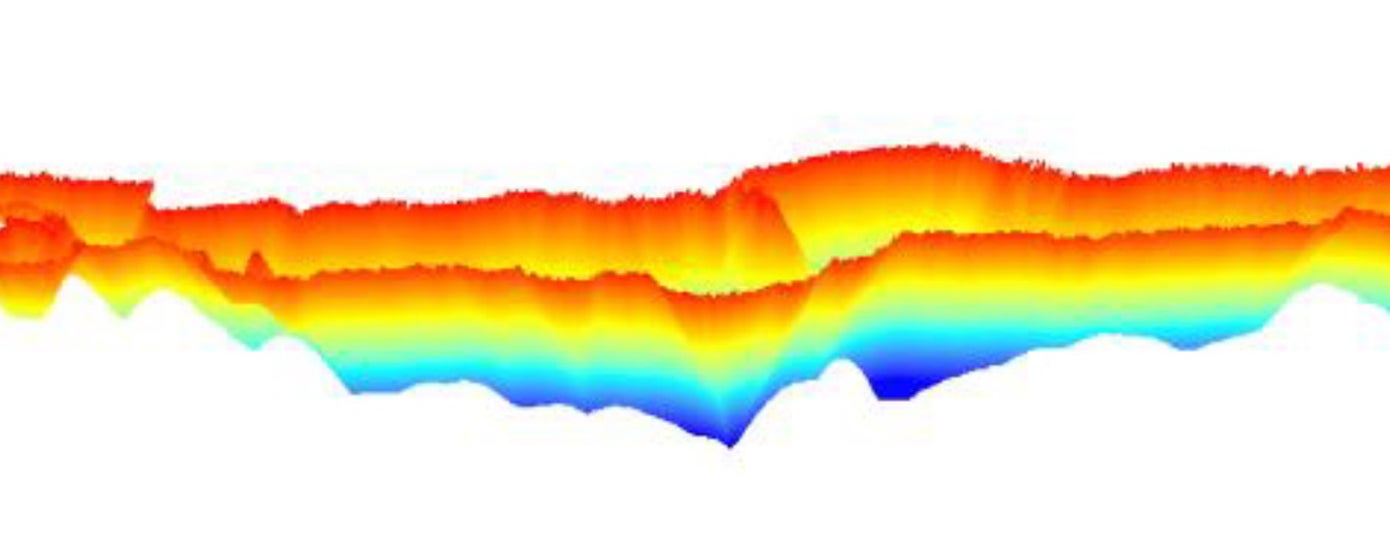
Scientists have used artificial intelligence techniques to create a publicly available dataset of the underwater topography, or bathymetry, of more than 1.4 million inland lakes and reservoirs around the world.