News

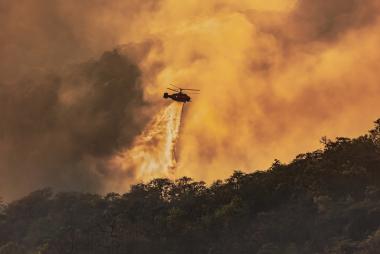
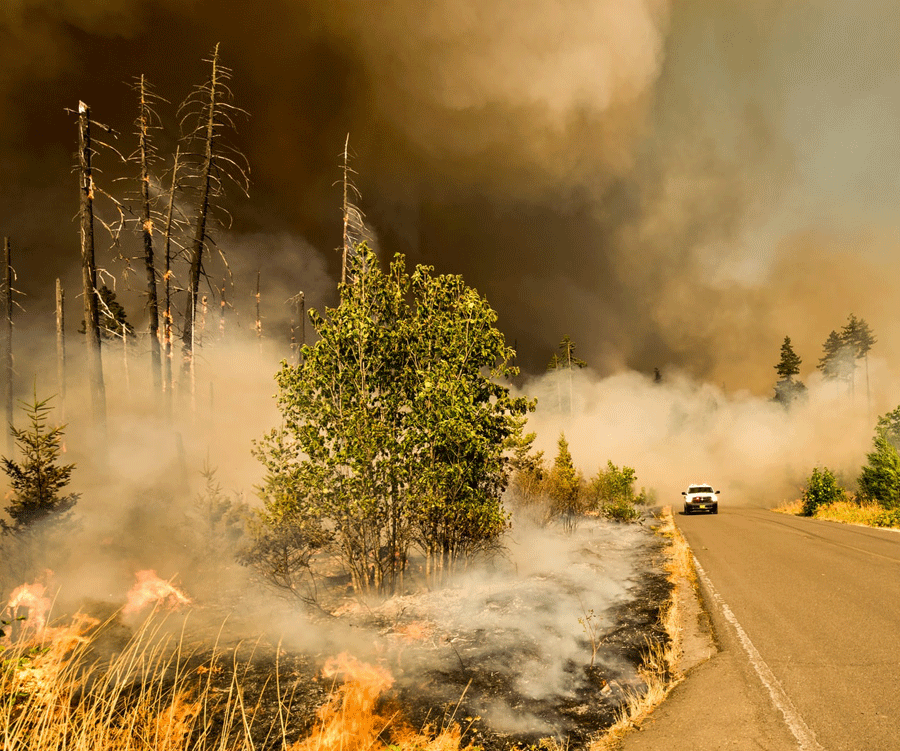
As wildfires threaten much of the West during another hot and dry year, NCAR scientists are researching key aspects of these destructive events.

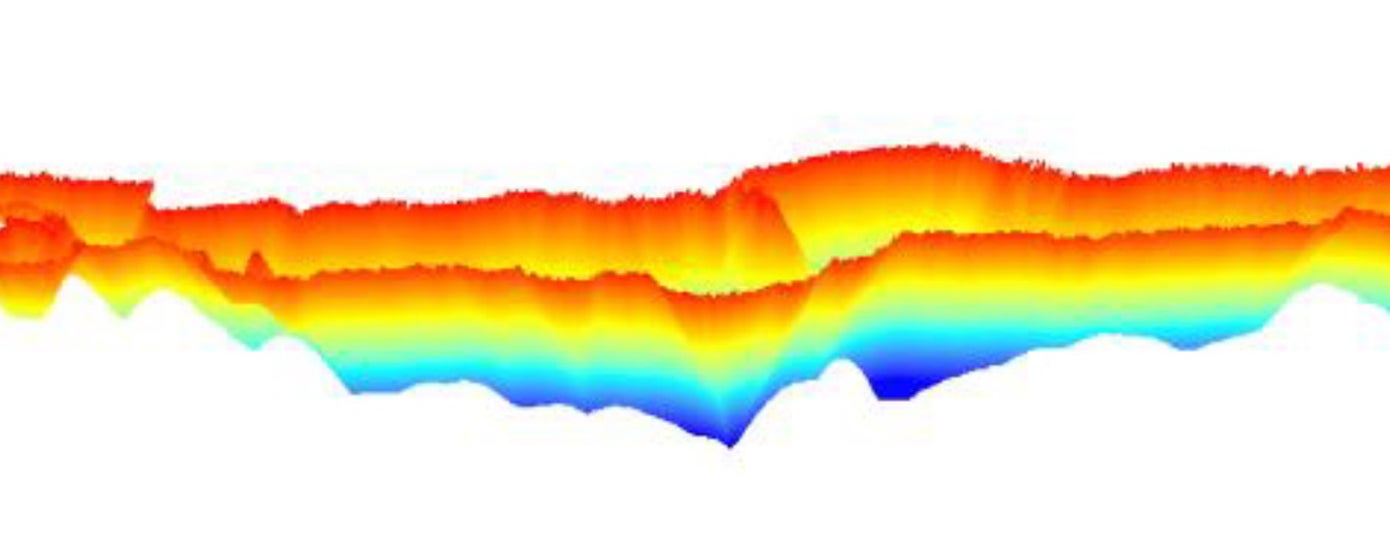
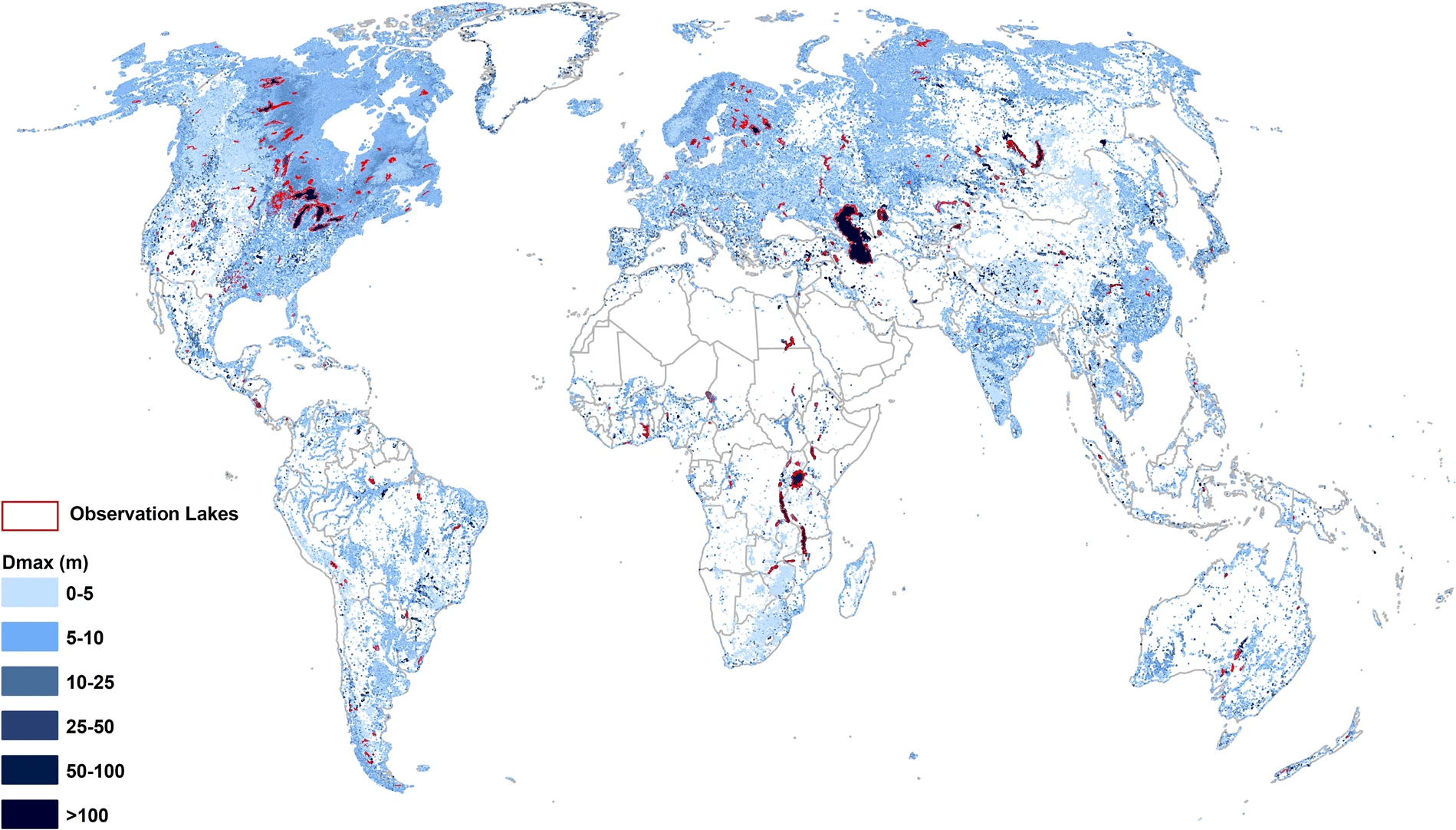
A new dataset has been developed at NCAR which provides estimated lake bathymetry data for over 1.4 million lakes and waterbodies world-wide.

Scientists have used artificial intelligence techniques to create a publicly available dataset of the underwater topography, or bathymetry, of more than 1.4 million inland lakes and reservoirs around the world.

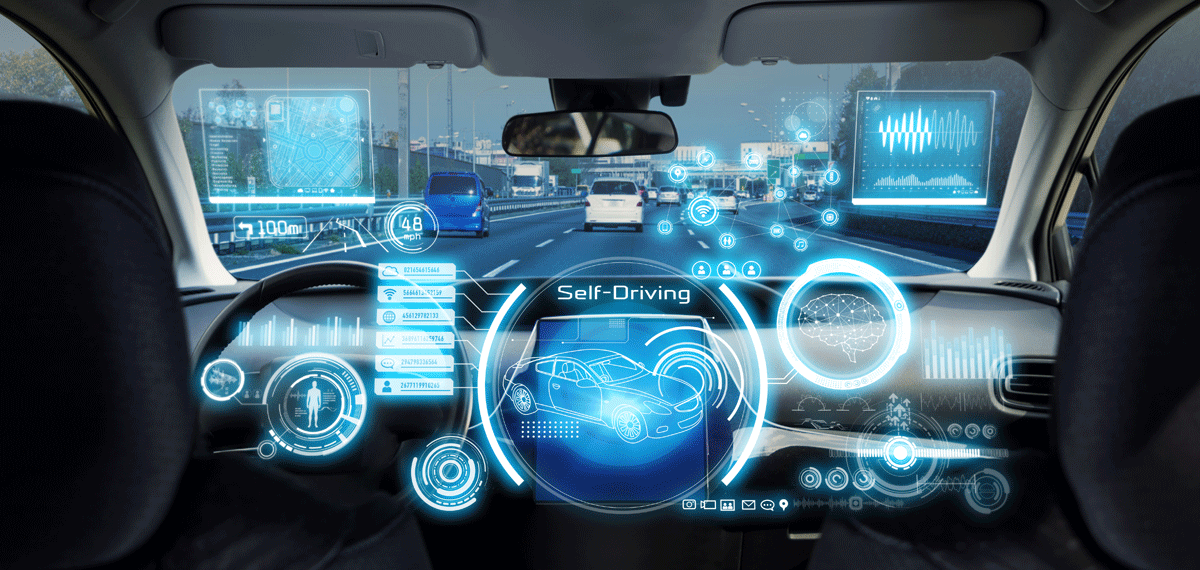
NCAR researchers seek to use weather information to improve the efficiency of autonomous vehicles.

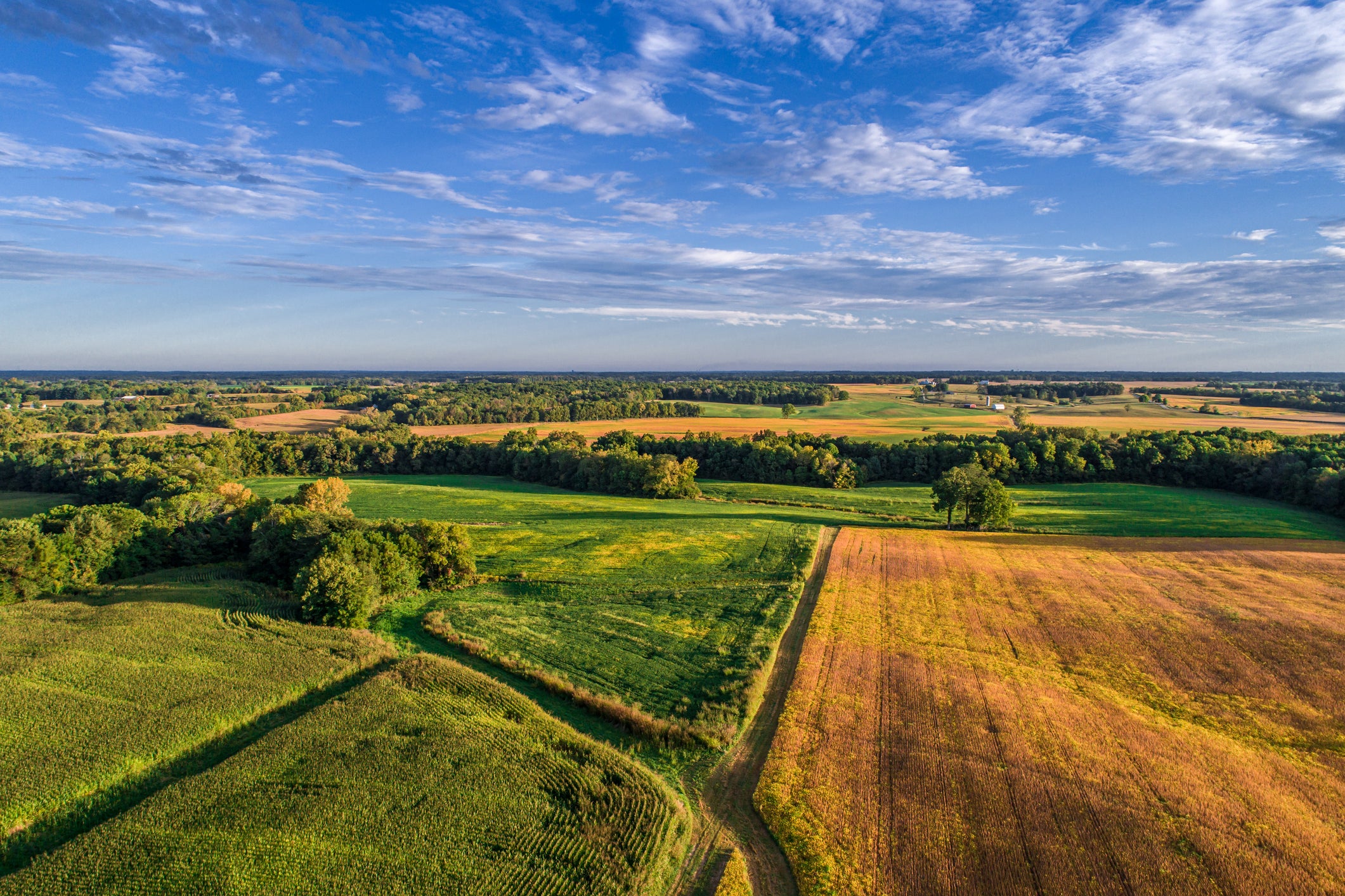
Addressing complex Earth System science and societal problems requires information about land cover and land surface change.

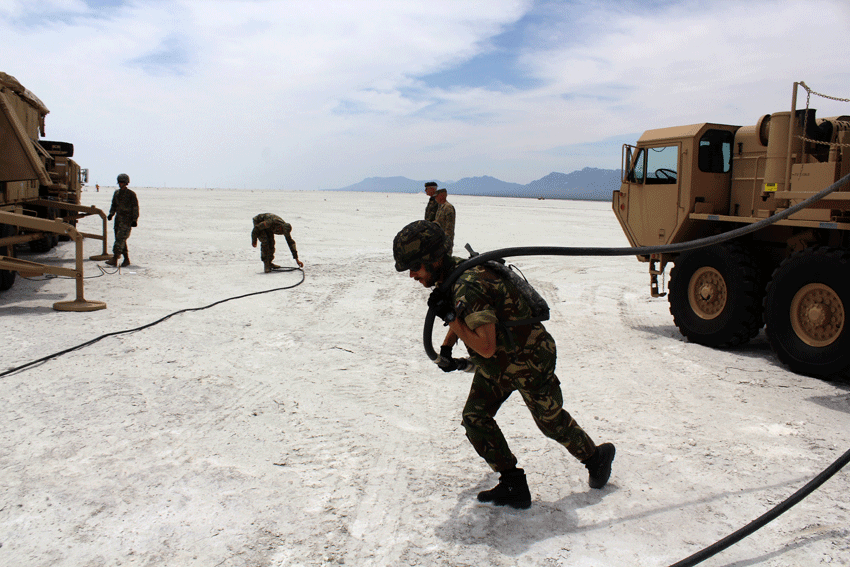
A quarter-century of NCAR collaborations with the U.S. Army Test and Evaluation Command has contributed to major advances in weather prediction.

A team of researchers is test-piloting the first phase of a web application that will ultimately allow users to get tailored information about the likely storm impacts at their specific locations, including information on the likelihood of high winds, when those winds will arrive, and how much damage they may cause to their homes.
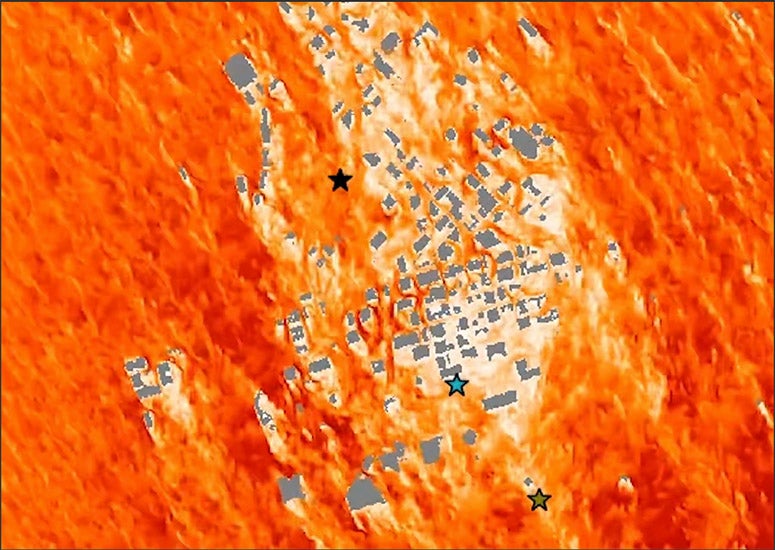
Scientists at NCAR have demonstrated that a new kind of model built entirely to run on graphical processing units, or GPUs, has the potential to produce useful, street-level forecasts of atmospheric flow in urban areas using far fewer computing resources and on a timeline that makes real-time weather forecasting for drones and other urban aircraft plausible.