News

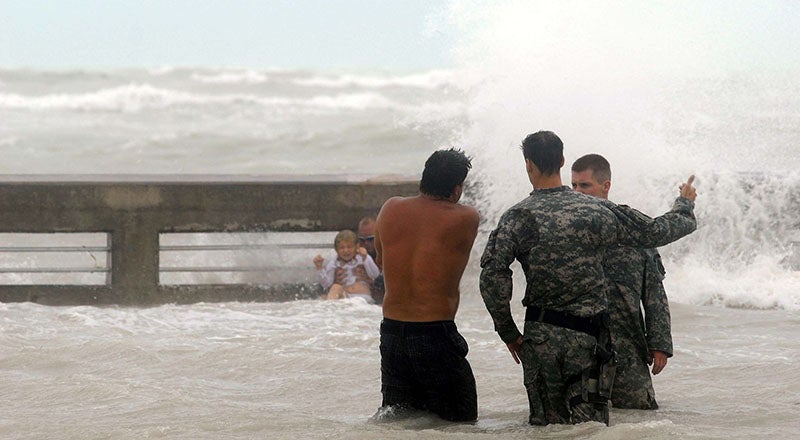
The perceived gender of a hurricane’s name is just one of many factors potentially shaping how someone reacts to a given storm, according to several scientists at NCAR who take a multifaceted approach to studying hurricane response.

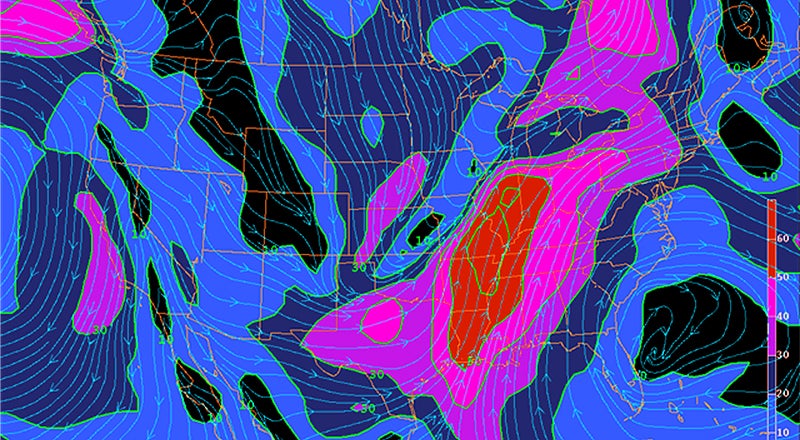
What if all the energy needed by society existed just a mile or two above our heads? NCAR, the University of Delaware, and the energy firm Garrad Hassan have begun examining where the strongest winds are and how much electricity they may be able to generate.

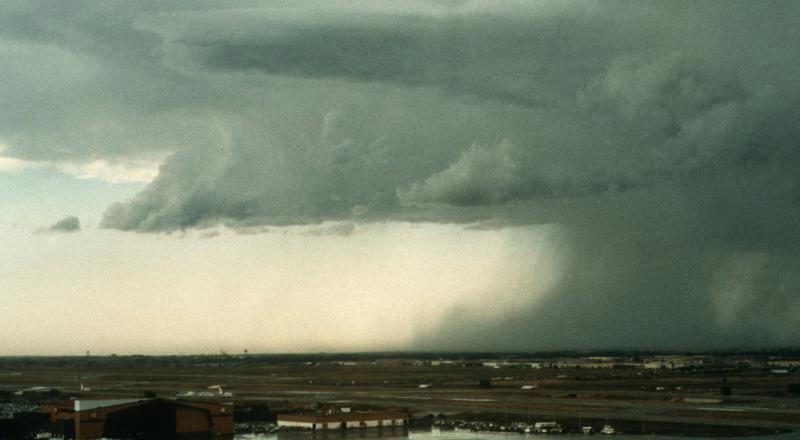
It takes a sharp eye to find something positive in the wreckage of the worst swarm of U.S. tornadoes on record: the 1974 Jumbo Outbreak. Millions of Americans are safer in the air because of Fujita's subsequent analysis of microbursts and tools developed by NCAR and collaborators.

Three scientists at the National Center for Atmospheric Research who served as authors of the assessment will be available for interviews after the report is released.

Three states are deploying snowplows this winter with custom-designed sensors to better monitor weather and road conditions.

Drier ski slopes, reduced river flows, and increased wildfires can potentially discourage tourists from coming to Colorado. Should local officials and business leaders do more to plan for these impacts?