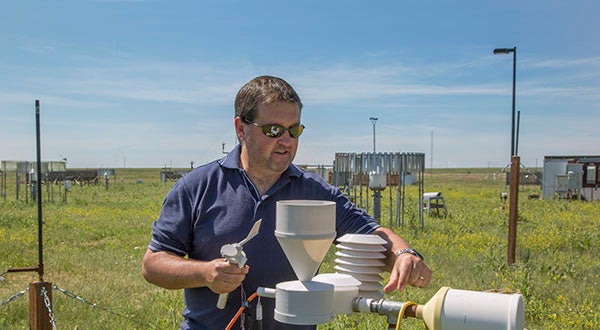
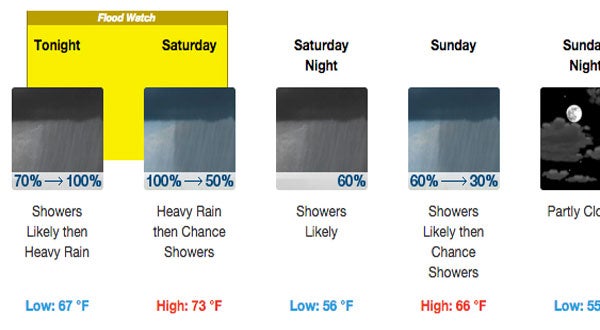
Breadcrumb Home News News 3D printers promise affordable weather stations for the developing world Jul 22, 2015 UCAR is using advanced technology to create inexpensive weather stations for developing nations. Mosquitoes and Ticks and Fleas, Oh My Jul 1, 2015 Picturing the forecast: National Weather Service graphics developed with NCAR research Jun 29, 2015 Introduced by the NWS this summer, the graphics draw on research by a team of risk communication experts at NCAR. NCAR Bids Farewell to Experimental ADDS Jun 18, 2015 Have it your way: New hydrologic model lets the user decide Jun 17, 2015 The SUMMA model lets users make individual decisions about how to treat a vast range of variables. This customizing allows users to mimic existing models or create something entirely new. Houston’s Population Growth Could Mean An Increase In Extreme Heat Jun 12, 2015 New GIS Book: Unique Collaboration between Atmospheric and Geospatial Communities Jun 9, 2015 Avoiding Dangerous Weather on Long Oceanic Flights Jun 8, 2015 To the last drop: Improving water supply forecasts for the Rio Grande May 14, 2015 NCAR researchers are partnering with local, state and federal organizations to improve water supply forecasts in the upper Rio Grande. Biting back: Scientists aim to forecast West Nile outbreaks May 7, 2015 CDC and NCAR researchers find correlations across the U.S. between weather conditions and subsequent flareups of the virus. Pagination First Previous … Page 15 Page 16 Page 17 Page 18 Current page 19 Page 20 Page 21 Page 22 Page 23 … Next Last