Main navigation

NCAR Logo
Research Applications Laboratory
Contact Us
  • About
    • Leadership
    • Programs
    • Education + Outreach
    • Ethics + Integrity
    • Staff
    • Awards and Patents
    • RAL Advisory Panel
    • Fact Sheets
    • Contact
    • Publications
  • What We Do
    • Agriculture + Food
    • Air Quality
    • Aviation
    • Climate
    • Human Health
    • Maritime
    • Rail
    • Renewable Energy
    • Road Weather
    • Testing + Evaluation
    • Tropical Cyclones
    • Urban Weather
    • Water
    • Wildfire
  • Products + Tools
  • Technologies
    • Artificial Intelligence and Machine Learning
    • Atmospheric Surface Measurements and Evaluation
    • Cloud Computing and Software Containers
    • Data Assimilation
    • Data Services
    • Decision Support Systems
    • Forecasting Systems
    • Geographic Information Systems (GIS) Science
    • Measuring Forecast Quality
    • Regional Climate Analysis and Impact
    • Specialty Models
  • Impacts
    • Overview
    • Agriculture + Food Impacts
    • Air Quality Impacts
    • Aviation Impacts
    • Climate Impacts
    • Tropical Cyclones Impacts
    • Human Health Impacts
    • Maritime Impacts
    • Rail Impacts
    • Renewable Energy Impacts
    • Road Weather Impacts
    • Testing + Evaluation Impacts
    • Urban Weather Impacts
    • Water Impacts
    • Wildfire Impacts
  • Work With Us
    • Community Collaboration
    • Internships and Fellowships
    • Licensing for Technology Transfer
    • Partner With Us
    • Sponsors
    • Visitor Programs
    • Workshops and Tutorials
    • Jobs
  • Events
    • Upcoming
    • Past
    • Live Broadcast
  • News
Contact Us

Breadcrumb

  1. Home
  2. Search

Search

Skip to filters
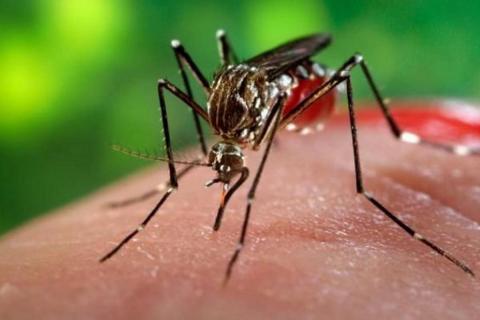
2015 NCAR/CDC Workshop on Climate and Health

Mon, Jul 13 2015, 8am - Thu, Jul 16 2015, 5pm
NCAR Foothills Laboratory, Boulder, Colorado
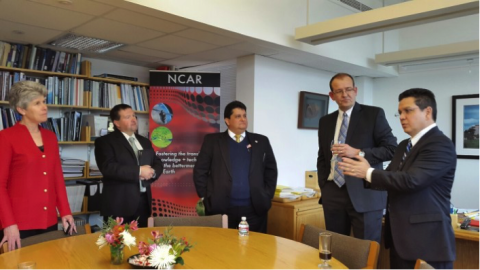
Gina Taberski (UCAR), Paul Kucera (NCAR), Edilberto Esquivel Marconi (ETESA) Jim Hurrell (NCAR Director), and Ivan Barria (ETESA)

From Education to Research to Operations

Mar 16, 2015
credit Payton Peterson

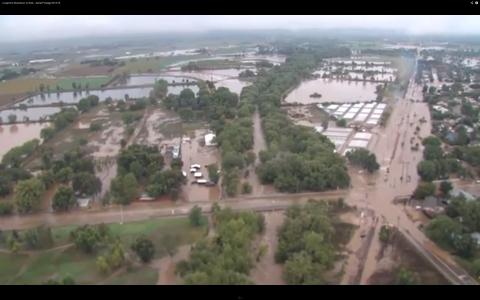
NCAR Fire & Flood Prediction Capabilities

Mar 25, 2015
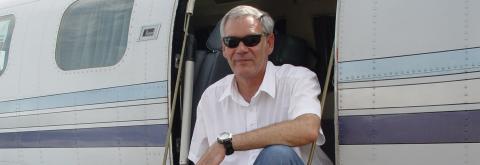
Roelof Bruintjes receives Schaefer Award

Award for Weather Modification

Aug 28, 2013

Experimental Aviation Digital Data Service (ADDS)

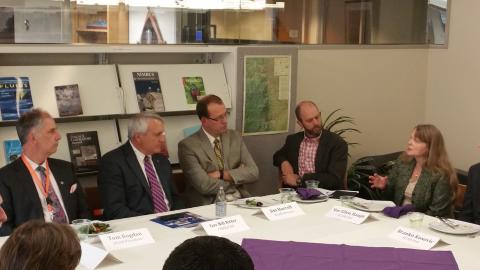
GOV. RITTER: THE INTERSECTION OF CLEAN ENERGY POLICY AND SCIENCE

Apr 10, 2015

Urbanization Dynamics - Vulnerability and Risk

Dan Breed discusses the science behind cloud seeding on Nevada Public Radio

Apr 13, 2015
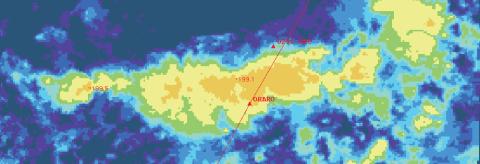
Convective hazards impact the safety, efficiency and economic viability of oceanic aircraft.

Avoiding Dangerous Weather on Long Oceanic Flights

Jun 8, 2015
Mapping and Modeling Weather and Climate with GIS

New GIS Book: Unique Collaboration between Atmospheric and Geospatial Communities

Jun 9, 2015

Pagination

  • Current page 1
  • Page 2
  • Page 3
  • Page 4
  • Page 5
  • Page 6
  • Page 7
  • Page 8
  • Page 9
  • …
  • Next
  • Last

NSF NCAR

  • NSF NCAR Homepage
  • ACOM | Atmospheric Chemistry Observations & Modeling
  • CGD Laboratory
  • CISL | Computational & Information Systems
  • EdEC | Education, Engagement & Early-Career Development
  • EOL | Earth Observing Laboratory
  • HAO | High Altitude Observatory
  • MMM | Mesoscale & Microscale Meteorology
  • RAL | Research Applications Laboratory

UCAR

  • UCAR Homepage
  • Community Programs
  • Education & Training
  • For Staff
  • Government Relations & External Engagement
  • Member Institutions
  • Tech Transfer & Engagement
  • University Collaboration

RAL

  • Main Phone: 303-497-8422

  • For RAL Staff

Follow RAL


© 2026 UCAR

  • Privacy
  • Cookies
  • Web Accessibility
  • Terms of Use
  • Copyright Issues
  • Sponsored by U.S. NSF
  • Report Ethics Concern
  • Staff Login
Postal Address: P.O. Box 3000, Boulder, CO 80307-3000 • Shipping Address: 3090 Center Green Drive, Boulder, CO 80301
NSF Logo

This material is based upon work supported by the NSF National Center for Atmospheric Research, a major facility sponsored by the U.S. National Science Foundation and managed by the University Corporation for Atmospheric Research. Any opinions, findings and conclusions or recommendations expressed in this material do not necessarily reflect the views of the U.S. National Science Foundation.